
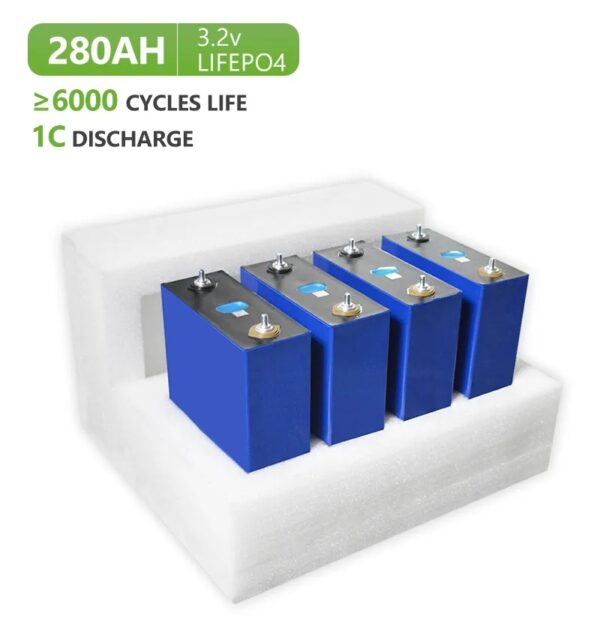
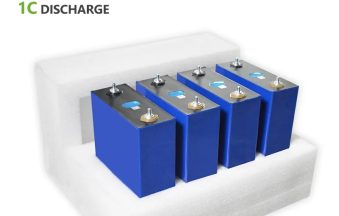
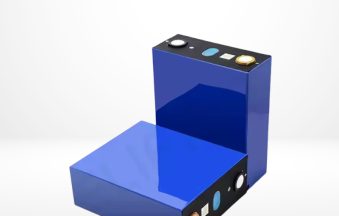
When you need a high-capacity cell for an energy storage system, choosing the wrong chemistry or inconsistent cells can create problems with cycle life, thermal stability, pack balancing and long-term performance. A reliable 280Ah LiFePO4 cell factory should therefore provide more than nominal capacity. You need verified electrical specifications, consistent cell performance, suitable safety protection and practical support for pack integration. Jule PowerTech supplies EVE 280Ah LiFePO₄ cells rated at 3.2V and 280Ah, delivering 896Wh per cell. With more than 6000 cycles and over 80% capacity retention under the stated conditions, this cell fits residential, commercial, solar and backup energy storage applications.
Why Choose a 280Ah LiFePO4 Cell?
A 280Ah LiFePO₄ cell gives you a practical balance between energy density, usable capacity and pack design flexibility. Instead of building a high-capacity system from many smaller cells, you can use fewer large-format cells to simplify pack assembly and electrical connections.
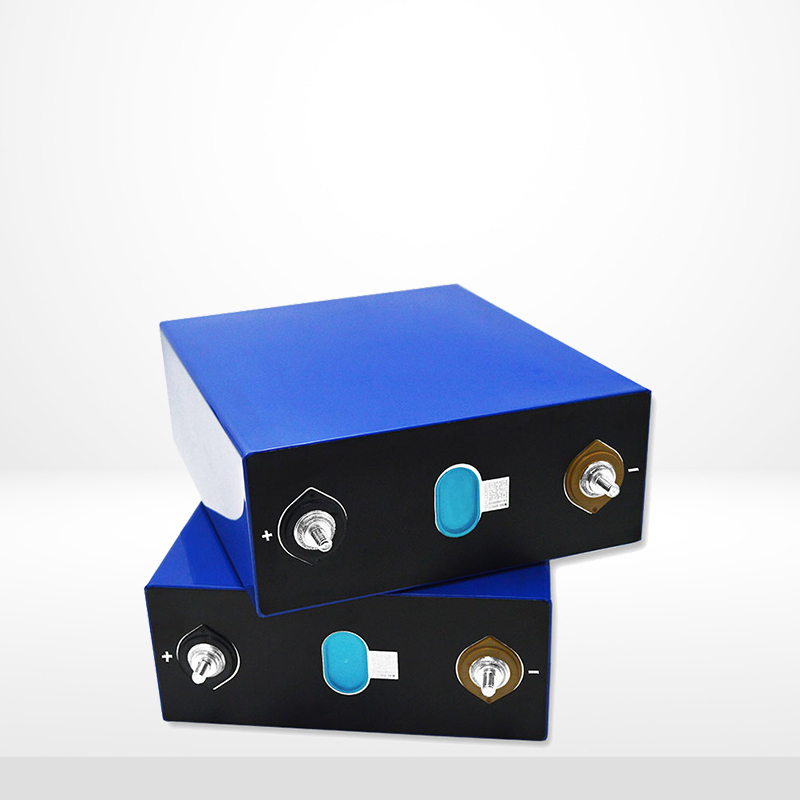
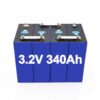
The EVE 280Ah LiFePO₄ cell supplied by Jule PowerTech uses lithium iron phosphate chemistry, which provides good thermal stability and supports long-cycle energy storage applications.
Key specifications include:
- Nominal capacity: 280Ah
- Nominal voltage: 3.2V
- Rated energy: 896Wh
- Charging voltage: 3.65V ± 0.05V
- Termination charge current: 0.05C / 14A
- Discharge termination voltage: 2.5V
- AC internal resistance: ≤0.25mΩ
- Cycle life: 6000+ cycles with more than 80% capacity retention
These specifications make the cell suitable for system integrators, battery pack builders and energy storage projects that require consistent high-capacity cells.
280Ah LiFePO4 Cell Factory for Home and Commercial ESS
You can use a 280Ah LiFePO₄ cell in different battery configurations depending on your required voltage and energy capacity. Jule PowerTech’s product portfolio also includes pre-configured 12V, 24V and 48V LiFePO₄ battery packs.
For example, a residential installer can use large-format cells when building a solar-plus-storage system, while a commercial integrator can combine multiple cells into larger battery modules for energy management and backup power.
Typical applications include:
- Home energy storage for solar power and backup electricity
- Commercial and industrial ESS for energy management
- Solar + battery hybrid systems for renewable energy storage
- Electric vehicles requiring high-capacity LiFePO₄ cells
- Telecom backup power where reliable battery operation matters
- Portable outdoor power stations requiring high-capacity cells
The cell can also work with major BMS and inverter systems, but you should confirm electrical compatibility, charging parameters and communication requirements before integrating it into a finished battery pack.
EVE 280Ah LiFePO4 Cell vs. Smaller Capacity Cells
The right cell capacity depends on your pack architecture, available space, target energy and required current. A larger cell can reduce the number of cells needed, while smaller cells may provide more flexibility for certain mechanical designs.
| Factor | EVE 280Ah LiFePO₄ Cell | Smaller LiFePO₄ Cell |
|---|---|---|
| Nominal capacity | 280Ah | Typically lower |
| Nominal voltage | 3.2V | Commonly 3.2V |
| Rated energy | 896Wh | Lower per cell |
| Cell quantity for a target energy | Fewer cells may be required | More cells may be required |
| Pack integration | Suitable for large-capacity designs | More flexible for compact layouts |
| Typical use | ESS, solar, backup, EV | Portable and customized packs |
The 280Ah format is particularly useful when you want to reduce cell count without moving away from LiFePO₄ chemistry.
How to Select a 280Ah LiFePO4 Cell Supplier
Before placing a bulk order, evaluate the supplier and the cell specifications together. A practical procurement process can help you avoid compatibility and quality problems.
- Define your system requirements. Confirm voltage, capacity, operating current, dimensions and target cycle life.
- Check cell specifications. Review nominal voltage, capacity, internal resistance, charging voltage and discharge limits.
- Confirm pack compatibility. Match the cell with your BMS, inverter, charger and thermal-management design.
- Review quality controls. Ask about incoming inspection, production testing, cell matching and shipment inspection.
- Request project support. Discuss your intended application and required quantity with the supplier before finalizing the order.
Jule PowerTech states that it uses strict testing procedures during production and provides customized battery solutions and technical support. The company was founded in 2019 and has developed its business around LiFePO₄ batteries, golf cart applications, lead-to-lithium conversion and off-grid home energy storage.
Safety and Quality Considerations
For a high-capacity lithium battery system, safety depends on both cell quality and the complete battery design. A cell should not be evaluated only by its advertised cycle count.
Jule PowerTech’s LiFePO₄ battery products use BMS protection against overcharge, over-discharge and short circuits. The company also highlights thermal stability, cell consistency and quality-control procedures as part of its battery production process.
For certification requirements, you should confirm the exact certification documents applicable to your destination market and finished battery system before purchasing. Certification requirements can differ depending on whether you are importing individual cells, battery packs or complete energy storage systems.
FAQ
Is a 280Ah LiFePO4 cell suitable for home energy storage?
Yes. The 280Ah capacity and 896Wh rated energy make it suitable for residential energy storage, solar-plus-battery systems and backup applications when the complete system is correctly designed.
How long can an EVE 280Ah LiFePO4 cell last?
The product information specifies more than 6000 cycles with over 80% capacity retention. Actual service life depends on charging conditions, discharge depth, temperature, current and overall battery management.
Can I use 280Ah cells to build a custom battery pack?
Yes. Large-format 280Ah cells can be integrated into customized battery packs. You should match the cell configuration with the required voltage, BMS, inverter, charging system and mechanical design before assembly.
Conclusion
A high-capacity cell can simplify battery pack architecture while providing the energy capacity required for residential, commercial and renewable energy applications. With a 3.2V nominal voltage, 280Ah capacity, 896Wh rated energy and 6000+ cycle specification, the EVE cell gives you a practical option for high-capacity LiFePO₄ battery designs. If you are comparing a 280Ah LiFePO4 cell factory, Jule PowerTech can support your evaluation with product specifications, customized battery solutions and technical assistance for your application.
CAT
Contact Jule PowerTech to discuss your required cell quantity, pack configuration, application and technical specifications before placing a bulk order.






Add comment