

Choosing the right 314Ah LiFePO4 cell requires more than comparing nominal capacity. You need to evaluate cycle life, internal resistance, operating voltage, safety and compatibility with your energy storage system. An unsuitable battery cell can affect system efficiency, maintenance requirements and long-term operating costs.
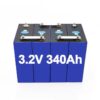
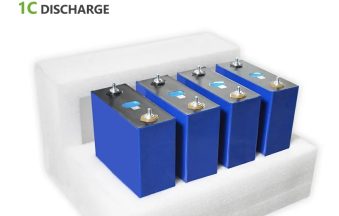
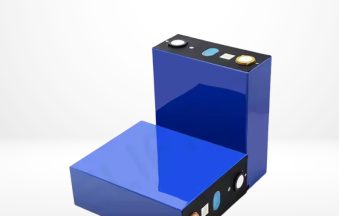
For buyers comparing high-capacity lithium iron phosphate cells, the GOTION 340Ah LiFePO4 battery cell offered by Jule PowerTech provides another option worth considering. With a nominal voltage of 3.2V, an energy density of at least 180Wh/kg and a rated cycle life exceeding 6,000 cycles under specified conditions, it is designed for energy storage, solar integration and electric vehicle applications.
What Should You Know About a 314Ah LiFePO4 Cell?
A 314Ah LiFePO4 cell is a rechargeable lithium iron phosphate battery cell with a nominal capacity of 314 ampere-hours. It stores and releases electrical energy through lithium-ion movement between its electrodes.
LiFePO4 chemistry offers several practical characteristics for stationary and mobile energy applications:
- Thermal stability: Lithium iron phosphate chemistry provides a stable structure and supports safer battery operation when properly designed and managed.
- Long cycle life: Suitable cells can support thousands of charge and discharge cycles under specified operating conditions.
- Stable voltage: A nominal voltage of 3.2V makes this chemistry suitable for building larger battery systems.
- High capacity: Large-format cells help reduce the number of individual cells required for a given storage capacity.
However, capacity alone does not determine battery performance. You should also compare energy density, internal resistance, operating temperature and cycle-life test conditions.
GOTION 340Ah LiFePO4 Cell Specifications
If your project requires a higher-capacity alternative to a 314Ah LiFePO4 cell, the GOTION 340Ah model offers a nominal capacity of 340Ah.
One important distinction is that this product is a 340Ah cell, not a 314Ah cell. Comparing both specifications helps you select the correct battery configuration for your application.
Key Technical Specifications
| Parameter | GOTION 340Ah Specification |
|---|---|
| Cell chemistry | Lithium iron phosphate (LiFePO4) |
| Nominal capacity | 340Ah |
| Nominal voltage | 3.2V |
| Energy density | ≥180Wh/kg |
| Operating voltage range | 2.5V–3.65V |
| Cycle life | ≥6,000 cycles |
| Cycle-life test condition | 80% DOD, 25°C |
| AC internal resistance | ≤0.25mΩ |
The nominal energy of one cell is approximately 1,088Wh, calculated by multiplying 340Ah by 3.2V. This provides a useful reference when estimating the energy capacity of a larger battery bank.
The stated cycle life applies to the specified test conditions. Actual service life depends on charging and discharging rates, operating temperature, voltage limits and battery management.
Why Choose a High-Capacity LiFePO4 Battery Cell?
When comparing a 314Ah LiFePO4 cell with a 340Ah alternative, consider how capacity and operating characteristics affect your overall system.
1. Higher Capacity for Energy Storage
The 340Ah cell provides approximately 8.3% more nominal capacity than a 314Ah cell. This difference can help reduce the number of cells needed to achieve a particular battery-bank capacity.
2. Long Cycle Life
With a rated cycle life of at least 6,000 cycles at 80% DOD and 25°C, the GOTION cell supports long-term energy storage projects.
For example, a solar energy storage system that regularly charges during daylight hours and supplies electricity at night can benefit from a battery cell designed for repeated cycling.
3. Low Internal Resistance
The AC internal resistance specification of ≤0.25mΩ indicates a low-resistance cell design. Internal resistance influences heat generation and voltage drop during operation, although actual results also depend on current, temperature and connection quality.
4. Flexible System Integration
Individual 3.2V cells can be assembled into larger battery configurations. However, system designers must verify cell compatibility, series and parallel arrangements, BMS settings and electrical protection requirements.
Where Can You Use High-Capacity LiFePO4 Cells?
The GOTION 340Ah battery cell can serve several energy-related applications.
- Solar energy storage: Store electricity generated by solar panels for use when sunlight is unavailable.
- Off-grid energy systems: Supply stored electricity to remote properties, cabins and other locations without reliable grid access.
- Electric vehicles: Support battery systems that require rechargeable cells with high capacity and stable operating characteristics.
- Industrial backup power: Provide energy storage for backup systems and equipment requiring dependable power availability.
For example, an off-grid residential project may combine multiple 340Ah cells into a battery bank connected to a solar inverter. The required cell quantity depends on daily energy consumption, desired backup duration, system voltage and usable depth of discharge.
How to Select the Right LiFePO4 Battery Cell
Before purchasing a 314Ah LiFePO4 cell or a 340Ah alternative, follow these steps:
- Calculate your energy requirements: Estimate daily electricity consumption and the backup time your system needs.
- Confirm nominal voltage: Check whether your inverter or battery system supports the selected voltage configuration.
- Compare capacity and energy density: Evaluate both ampere-hours and watt-hours to understand the available energy.
- Check cycle-life conditions: Review the specified DOD, temperature and other test parameters instead of comparing cycle numbers alone.
- Verify BMS compatibility: Confirm that the battery management system supports the cell’s voltage limits and operating requirements.
- Request technical documentation: Obtain datasheets, test reports and applicable certification documents before placing an order.
These checks help you avoid mismatched components and improve the reliability of your completed battery system.

Why Work with Jule PowerTech?
Jule PowerTech Co., Ltd. has focused on the LiFePO4 battery market since 2019. The company has a professional team of more than 50 members and supplies lithium iron phosphate battery cells and pre-configured battery packs in 12V, 24V and 48V configurations.
Its main advantages include:
- Professional R&D: Technical development and product improvement for different battery applications.
- Quality control: Testing procedures throughout the production process.
- Customized solutions: Battery configurations designed around specific customer requirements.
- After-sales support: Technical assistance for product selection and application questions.
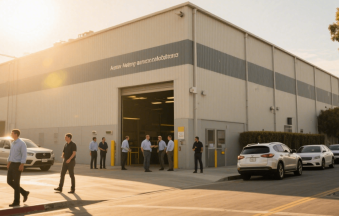
- Overseas service capabilities: A manufacturing and warehouse presence in Los Angeles, USA, supporting local delivery and customer service.
Jule PowerTech also reports exports to more than 30 countries and regions, providing experience in serving international battery buyers.
For procurement projects, you can discuss cell specifications, battery pack configurations, application requirements and available technical documentation directly with the team.
Frequently Asked Questions
1. What is the difference between a 314Ah and a 340Ah LiFePO4 cell?
The main difference is nominal capacity. A 340Ah cell provides approximately 8.3% more capacity than a 314Ah cell at the same nominal voltage. Both options should be evaluated based on their actual specifications and system compatibility.
2. How many cycles can the GOTION 340Ah battery cell achieve?
The stated cycle life is at least 6,000 cycles under the specified condition of 80% depth of discharge and 25°C. Actual results depend on operating conditions, charging practices and system design.
3. Can a 340Ah LiFePO4 cell be used for solar energy storage?
Yes. Its high capacity and lithium iron phosphate chemistry make it suitable for solar energy storage applications. You should match the battery configuration with your inverter, BMS and expected energy consumption.
Conclusion
Selecting the right battery cell means balancing capacity, cycle life, safety and system compatibility. Whether you are sourcing a 314Ah LiFePO4 cell or comparing it with a higher-capacity option, the GOTION 340Ah model offers 340Ah nominal capacity, 3.2V nominal voltage and a rated cycle life of at least 6,000 cycles under specified conditions. With its LiFePO4 chemistry and versatile application potential, it is worth considering for solar storage, off-grid systems and industrial energy projects.
Looking for a suitable LiFePO4 battery cell for your next project?
Contact Jule PowerTech Co., Ltd. at jule.powertech@gmail.com or call +1 626-530-3975 to request product specifications, discuss battery configuration requirements and explore suitable energy storage solutions.







Add comment