

If you are sourcing large-capacity battery cells for an energy storage project, choosing the right chemistry and specifications can affect system performance, service life, and long-term operating costs. A reliable LiFePO4 battery technology factory can help you evaluate these factors before you commit to a purchase. However, not every battery product serves the same purpose: a single cell requires a compatible battery management system (BMS), electrical connections, and system-level engineering before it can operate as part of a complete storage solution.
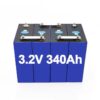
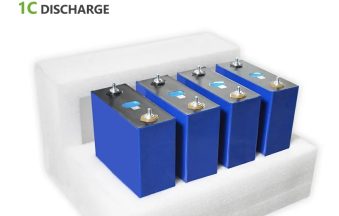
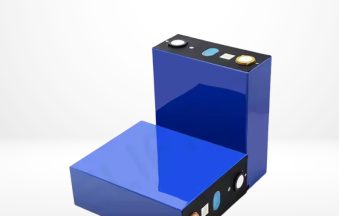
The GOTION 340Ah LiFePO₄ battery cell from Jule PowerTech offers a nominal capacity of 340Ah and a nominal voltage of 3.2V. With a stated cycle life of at least 6,000 cycles under specified test conditions, it provides a practical option for businesses evaluating cells for stationary energy storage, solar power systems, and other suitable applications.
Why Choose a GOTION 340Ah LiFePO4 Battery Cell?
Lithium iron phosphate (LiFePO₄) chemistry is widely used in energy storage because it offers a combination of thermal stability, cycle-life potential, and usable capacity. Nevertheless, actual performance depends on operating temperature, charge and discharge rates, system design, and battery management.
For commercial buyers, the GOTION 340Ah cell offers several measurable characteristics to consider:
- High nominal capacity: 340Ah per cell supports the design of large-capacity battery assemblies.
- Nominal voltage: 3.2V provides a reference value for electrical system calculations.
- Extended cycle life: The manufacturer lists at least 6,000 cycles at 80% depth of discharge (DOD) and 25°C.
- Low internal resistance: AC internal resistance is specified at no more than 0.25 mΩ.
- Defined operating voltage: The specified range is 2.5V–3.65V, which helps engineers establish appropriate operating limits.
These specifications provide a starting point for technical evaluation. Before purchasing, confirm the applicable datasheet, test conditions, cell grading, and warranty terms with your supplier.
GOTION 340Ah Battery Technical Specifications
Review the key parameters below before integrating the cell into your energy storage design.
| Parameter | Specification |
|---|---|
| Cell chemistry | Lithium iron phosphate (LiFePO₄) |
| Nominal capacity | 340Ah |
| Nominal voltage | 3.2V |
| Energy density | ≥180Wh/kg |
| Operating voltage range | 2.5V–3.65V |
| Cycle life | ≥6,000 cycles at 80% DOD, 25°C |
| AC internal resistance | ≤0.25 mΩ |
The nominal energy of one cell is approximately 1,088Wh (1.088kWh), calculated by multiplying 340Ah by 3.2V. This is a nominal calculation rather than a guarantee of usable energy; the actual output depends on operating conditions and system limits.
The stated cycle-life figure also requires context. A cycle-life rating depends on the specified depth of discharge, temperature, charge and discharge rates, and end-of-life criteria. Therefore, compare competing cells under equivalent testing conditions rather than relying on cycle counts alone.
Applications for 340Ah LiFePO4 Energy Storage Cells
A high-capacity LiFePO₄ cell can support several applications when engineers design the complete system around its electrical and thermal requirements.
Solar and Off-Grid Energy Storage
Solar installations need battery capacity to store electricity generated during the day for later use. A 340Ah cell may suit larger battery assemblies for off-grid homes, remote facilities, and renewable energy projects. Engineers should calculate the required storage capacity based on daily consumption, backup duration, inverter efficiency, and the permitted depth of discharge.
Commercial and Industrial Backup Power
Businesses may use battery storage to support critical equipment during power interruptions or manage energy use alongside other power sources. Before selecting a cell, evaluate the load profile, required backup duration, ambient temperature, and system safety requirements.
Electric Vehicle and Industrial Battery Systems
The cell may also be evaluated for suitable electric mobility or industrial battery applications. However, compatibility depends on voltage architecture, discharge requirements, vibration resistance, thermal management, and relevant application-specific standards. Confirm these requirements before specifying the cell for a vehicle or other demanding environment.

How to Evaluate a LiFePO4 Battery Technology Factory
Choosing a supplier involves more than comparing unit prices. Use the following steps to assess whether a supplier can meet your project’s technical and commercial requirements.
- Confirm product identity. Request the exact GOTION 340Ah model information, current datasheet, and available traceability records.
- Check electrical performance. Compare nominal capacity, voltage limits, internal resistance, and cycle-life test conditions.
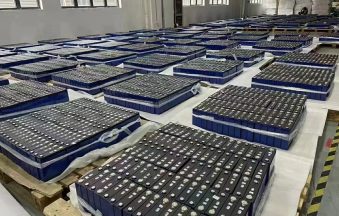
- Review quality controls. Ask about incoming inspection, capacity testing, cell matching, and batch-level quality documentation.
- Plan system integration. Confirm BMS compatibility, series and parallel configuration requirements, thermal management, and protective measures.
- Verify delivery and support. Discuss order quantities, lead times, packaging, shipping arrangements, warranty coverage, and after-sales support.
Jule PowerTech Co., Ltd., founded in 2019, supplies LiFePO₄ battery cells and preconfigured battery packs in 12V, 24V, and 48V formats. Its company profile lists a 50-plus-person team and two overseas warehouses and service centers. Buyers can use these details as a starting point for supplier evaluation while requesting project-specific evidence before placing an order.
GOTION 340Ah Cell vs. Complete LiFePO4 Battery Pack
Understanding the difference between a cell and a battery pack helps you avoid purchasing the wrong product.
| Comparison | GOTION 340Ah Cell | Complete LiFePO₄ Battery Pack |
|---|---|---|
| Product format | Individual battery cell | Multiple cells assembled into a system |
| Nominal voltage | 3.2V | Depends on configuration |
| Integration | Requires system-level design | Usually includes an assembled electrical configuration |
| BMS | Must be addressed in system design | May include a BMS |
| Typical buyer | Battery integrator or system manufacturer | Installer, business, or end user |
If you manufacture battery systems, individual cells may offer greater flexibility in pack design. If you need a ready-to-install solution, ask whether a preconfigured battery pack better matches your voltage, capacity, and installation requirements.
FAQ
1. How many cycles can the GOTION 340Ah battery cell deliver?
The listed specification is at least 6,000 cycles at 80% DOD and 25°C. Actual cycle life depends on operating conditions, charging practices, and the applicable end-of-life definition.
2. Can I connect the 340Ah cell directly to a solar inverter?
Not normally as a complete battery solution. You need a compatible battery configuration, BMS, protective devices, and appropriate voltage and current controls. Confirm compatibility with your inverter and system designer before installation.
3. What should I request when buying GOTION 340Ah cells in bulk?
Request the current datasheet, batch traceability information, capacity and resistance test records, available compliance documentation, warranty terms, minimum order quantity, and delivery schedule. Also confirm whether the supplier can support your intended application and integration requirements.
Conclusion
Selecting a suitable energy storage cell starts with verified specifications, realistic operating requirements, and a supplier that can support your project. The GOTION 340Ah LiFePO₄ battery cell offers a nominal capacity of 340Ah, a 3.2V nominal voltage, and a stated cycle life of at least 6,000 cycles under specified conditions. For businesses comparing a LiFePO4 battery technology factory, Jule PowerTech provides a starting point for discussing cell sourcing and broader battery solutions.
Request a quotation from Jule PowerTech to confirm current GOTION 340Ah cell availability, bulk pricing, technical documentation, delivery arrangements, and suitability for your energy storage project. Share your target order quantity and application requirements to help the team assess your needs.










Add comment