

Choosing a LiFePO4 battery requires more than comparing capacity figures. You need to evaluate usable energy, charge and discharge limits, system compatibility, and long-term operating requirements before selecting a battery cell for your project. An unsuitable cell can create integration challenges, increase system costs, or limit the performance of your energy storage system.
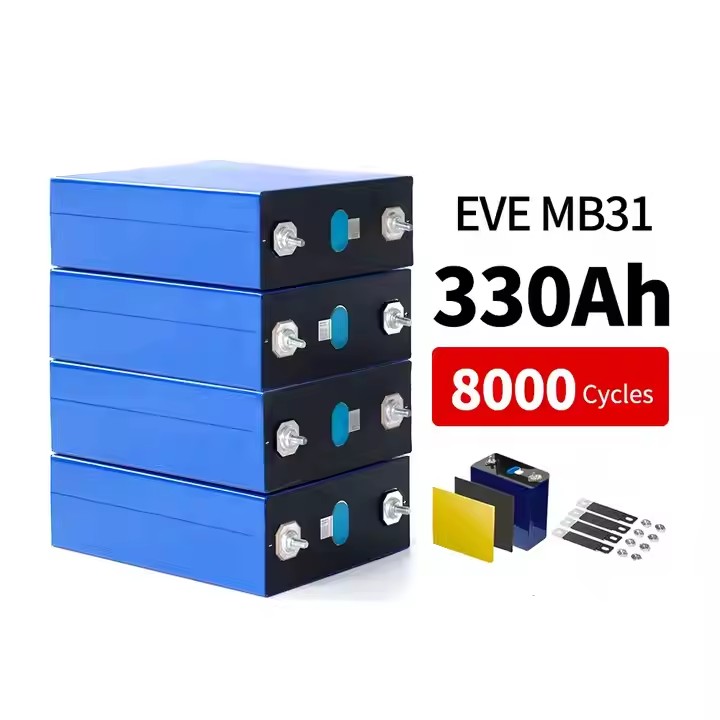
The EVE MB31 LiFePO₄ battery offers a nominal capacity of 280Ah and a nominal voltage of 3.2V, delivering 896Wh of rated energy per cell. For businesses developing residential energy storage systems, off-grid power solutions, or custom battery packs, understanding these specifications helps you determine whether the cell meets your application requirements. Jule PowerTech Co., Ltd. supplies lithium iron phosphate battery cells and 12V, 24V, and 48V battery packs for different power needs.
EVE MB31 LiFePO4 Battery Specifications
The MB31 combines a high-capacity cell design with lithium iron phosphate chemistry. Before integrating it into a battery system, review its electrical specifications and confirm that they match your intended configuration.
| Specification | EVE MB31 Parameter |
|---|---|
| Battery chemistry | LiFePO₄ (LFP) |
| Nominal capacity | 280Ah |
| Nominal voltage | 3.2V |
| Rated energy | 896Wh |
| Charge voltage | 3.65V |
| Discharge cut-off voltage | 2.5V |
| Maximum charge current | 140A (0.5C) |
| Maximum discharge current | 280A (1C) |
These figures provide a starting point for system design. Actual operating limits depend on the manufacturer’s specifications, temperature conditions, charging equipment, and battery management settings.
What Does 280Ah Mean for Your Project?
Ampere-hours measure electrical charge capacity, while watt-hours express energy. The MB31’s rated energy is calculated by multiplying its nominal voltage by its capacity: 3.2V × 280Ah = 896Wh.
For example, four cells connected in series form a nominal 12.8V configuration while retaining a capacity of 280Ah. The resulting nominal energy is 3,584Wh, or approximately 3.58kWh. This calculation assumes four identical cells and does not represent guaranteed usable energy under every operating condition.
Key Advantages of This LiFePO4 Battery
High Capacity for Energy Storage Systems
With a nominal capacity of 280Ah, the EVE MB31 can support battery pack designs that require substantial energy capacity per cell. This makes it worth evaluating for stationary storage systems and other applications where cell configuration, available installation space, and energy requirements determine product selection.
Stable Lithium Iron Phosphate Chemistry
LiFePO₄ chemistry is widely used in rechargeable battery systems because of its thermal stability and suitability for repeated cycling. However, overall system safety also depends on cell quality, electrical protection, thermal management, and correct installation.
Charging and Discharging Considerations
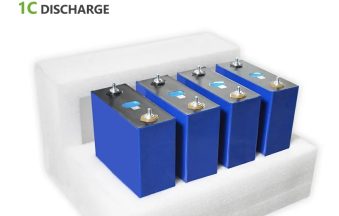
The listed maximum charge current is 140A, while the maximum discharge current is 280A. These values correspond to 0.5C and 1C, respectively, based on the rated 280Ah capacity.
When designing your battery pack, select a compatible charger and battery management system (BMS). Avoid treating maximum current ratings as recommended continuous operating conditions without checking the manufacturer’s technical documentation.
Where Can You Use an EVE MB31 Battery Cell?
The MB31 may be suitable for several applications, provided the complete system meets the required voltage, power, safety, and environmental specifications.
- Residential energy storage: Evaluate the cell for battery banks that store electricity for later household use.
- Off-grid energy systems: Consider it for solar-connected installations where energy capacity and charging profiles match the system design.
- Backup power: Assess its suitability for backup systems that require a compatible inverter, BMS, and protection devices.
- Custom battery packs: Integrators can evaluate the cell for larger battery assemblies based on the required voltage and capacity.
For electric mobility or other demanding applications, verify vibration resistance, operating temperature limits, discharge requirements, and relevant product approvals before choosing the cell.
EVE MB31 vs. Other LiFePO4 Battery Options
Different LiFePO₄ products serve different purposes. Compare the following options according to your system requirements rather than selecting a battery based on capacity alone.
| Selection Factor | EVE MB31 Cell | 12V LiFePO₄ Battery Pack |
|---|---|---|
| Product type | Individual battery cell | Integrated battery assembly |
| Nominal voltage | 3.2V | Commonly 12.8V |
| Capacity | 280Ah | Depends on the model |
| Integration | Requires pack design and protection | May include a BMS and enclosure |
| Typical buyer | Battery pack manufacturer or system integrator | Installer or end user |
| Main consideration | Cell matching and system engineering | Pack compatibility and available features |
An individual cell gives battery manufacturers flexibility in configuring a system, but it also requires additional engineering. A pre-configured battery pack may simplify installation, depending on its design and included components.
How to Select the Right LiFePO4 Battery for Your Project
Follow these steps before requesting a quotation or starting battery integration.
- Calculate your energy requirements. Estimate daily consumption in kWh and determine how long the system must operate without recharging.
- Confirm voltage and current. Match the cell configuration to your inverter, charger, and expected power demand.
- Check BMS compatibility. Verify voltage limits, current ratings, balancing requirements, and protection functions.
- Review operating conditions. Confirm allowable charging and discharging temperatures, installation conditions, and thermal management needs.
- Request technical documents. Ask the supplier for the current datasheet, applicable test reports, traceability information, and relevant certifications for the intended market.
Jule PowerTech Co., Ltd. offers lithium iron phosphate cells and pre-configured 12V, 24V, and 48V battery packs. Its stated business capabilities also include customized battery solutions and technical support. Buyers should confirm current availability, customization scope, and supporting documentation for the specific product before placing an order.
Frequently Asked Questions
1. How much energy does an EVE MB31 280Ah cell provide?
At a nominal voltage of 3.2V and a capacity of 280Ah, the cell provides 896Wh of nominal energy. Usable energy depends on operating limits and system design.
2. Can I connect EVE MB31 cells in series?
Series connections can increase nominal voltage. For example, four 3.2V cells produce a nominal 12.8V configuration. Follow the manufacturer’s instructions for cell matching, balancing, BMS configuration, and safe assembly.
3. What documents should I request from a LiFePO4 battery supplier?
Request the latest datasheet, applicable safety and transport test documentation, traceability details, and certifications relevant to your target market. Confirm that each document covers the exact cell model being purchased.
Conclusion
The EVE MB31 is a 280Ah LiFePO4 battery cell with a nominal voltage of 3.2V and rated energy of 896Wh. Its capacity and electrical characteristics make it a candidate for evaluating residential energy storage, off-grid systems, and custom battery pack projects. By checking current limits, BMS compatibility, operating conditions, and product documentation, you can make a more informed purchasing decision.
Request a Quote from Jule PowerTech
Contact Jule PowerTech Co., Ltd. to discuss your battery cell requirements, target system voltage, estimated order quantity, and intended application. Request the latest EVE MB31 datasheet and relevant technical documents to confirm suitability before integrating the cell into your project.











Add comment