
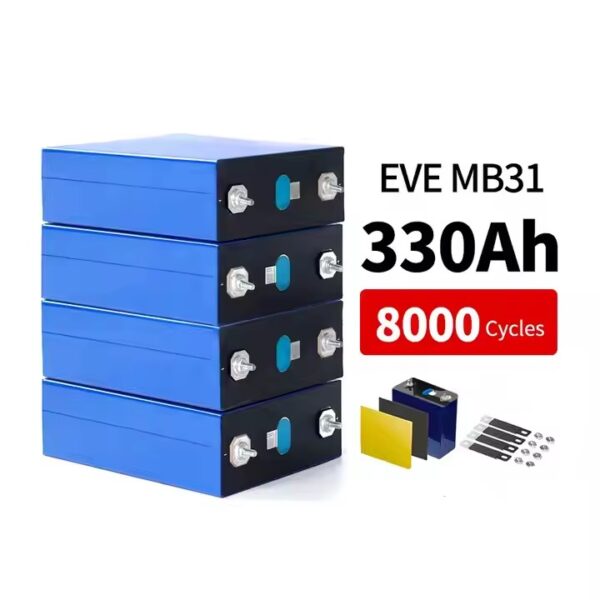
Choosing the right battery technology affects your energy storage system’s safety, operating costs, and service life. LiFePO4 battery technology offers a practical solution for applications that require stable performance, reliable charging, and long-term energy storage. However, selecting a suitable battery involves more than comparing capacity ratings. You also need to understand voltage, discharge capability, cycle life, and system compatibility. The EVE MB31 LiFePO4 cell, supplied by Jule PowerTech, provides a useful example of how these technical factors work together. With a nominal capacity of 280Ah and an energy rating of 896Wh, it supports battery designs for residential, commercial, and renewable energy applications.
What Makes LiFePO4 Battery Technology Different?
LiFePO4 stands for lithium iron phosphate, a battery chemistry that uses lithium iron phosphate as its cathode material. Compared with conventional lead-acid batteries, this chemistry offers a different balance of safety, energy performance, and cycle life.
Several characteristics make LiFePO4 suitable for stationary energy storage and electric mobility:
- Thermal stability: Lithium iron phosphate chemistry offers good thermal stability under appropriate operating conditions.
- Long service life: Properly designed LiFePO4 batteries can support thousands of charge and discharge cycles.
- Stable voltage: A nominal cell voltage of 3.2V provides a consistent basis for battery pack configuration.
- BMS compatibility: A suitable battery management system monitors voltage, current, and temperature to help protect the battery.
- Flexible configurations: Individual cells can be connected in series and parallel to meet different system voltage and capacity requirements.
These characteristics make LiFePO4 battery technology a practical option for home energy storage, solar power systems, backup power, and electric vehicles.
EVE MB31 280Ah LiFePO4 Battery Specifications
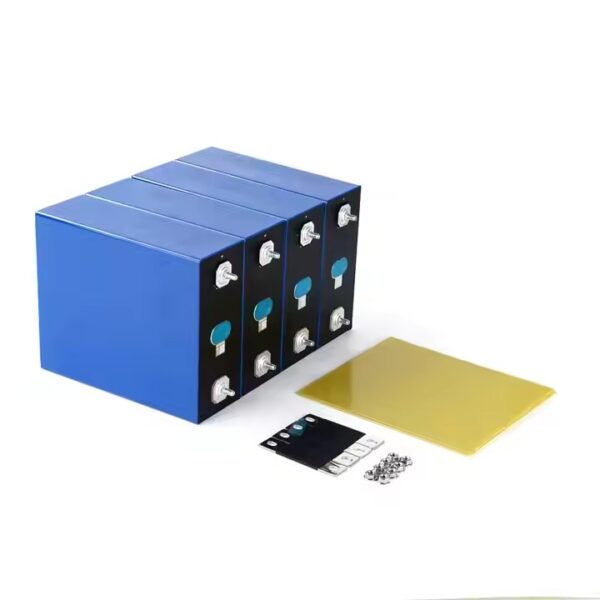
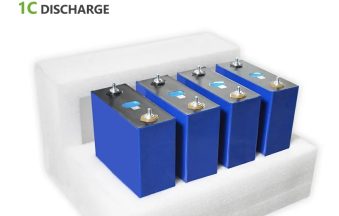
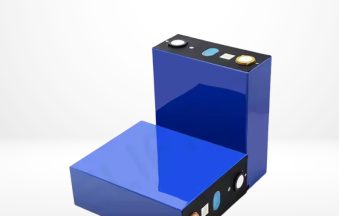
The EVE MB31 is a high-capacity lithium iron phosphate cell designed for battery system integration. Its electrical specifications help engineers and battery manufacturers evaluate whether it meets their project requirements.
| Parameter | EVE MB31 Specification |
|---|---|
| Battery chemistry | LiFePO4 (LFP) |
| Nominal capacity | 280Ah |
| Nominal voltage | 3.2V |
| Rated energy | 896Wh |
| Charge voltage | 3.65V |
| Discharge cut-off voltage | 2.5V |
| Maximum charge current | 140A (0.5C) |
| Maximum discharge current | 280A (1C) |
| Stated cycle life | Over 3,000 cycles |
The rated energy is calculated by multiplying nominal voltage by capacity: 3.2V × 280Ah = 896Wh.
The cell supports a maximum charge current of 140A and a maximum discharge current of 280A according to the supplied product specifications. Actual operating limits should follow the manufacturer’s technical documentation and the requirements of the complete battery system.
Why Does 280Ah Capacity Matter?
Capacity determines how much electrical charge a battery cell can store. A 280Ah cell provides greater capacity per cell than smaller-capacity alternatives, which can help reduce the number of individual cells needed for certain battery configurations.
For example, system designers can use multiple MB31 cells to build battery packs for solar energy storage or backup power. However, the final system capacity depends on the number of cells, their connection method, usable depth of discharge, and operating conditions.
LiFePO4 vs. Lead-Acid Battery Technology
When planning an energy storage project, you may need to compare lithium iron phosphate batteries with traditional lead-acid options.
| Comparison Factor | LiFePO4 Battery | Lead-Acid Battery |
|---|---|---|
| Cycle life | Thousands of cycles, depending on design | Generally fewer cycles |
| Nominal cell voltage | 3.2V | Approximately 2V |
| Thermal stability | Good under specified conditions | Depends on battery type |
| Battery management | Requires suitable BMS protection | Different charging and protection requirements |
| Typical applications | Solar storage, EVs, backup systems | Backup power, automotive and industrial uses |
| Maintenance | Generally low maintenance | Some types require periodic maintenance |
LiFePO4 batteries can offer a longer operating life and lower maintenance requirements in suitable applications. Nevertheless, the actual cost advantage depends on initial purchase price, charging conditions, system efficiency, and replacement costs.
Applications of EVE MB31 LiFePO4 Battery Technology
The EVE MB31 280Ah cell can support several battery system designs when integrated with compatible components.
1. Home Energy Storage
Homeowners can use LiFePO4 battery packs to store electricity generated by rooftop solar panels. The stored energy can then supply household loads when solar generation decreases.
2. Commercial and Industrial Energy Storage
Commercial facilities can integrate battery systems to store electricity, support backup power, and manage energy consumption. System capacity and discharge power should match the facility’s actual load requirements.
3. Solar and Off-Grid Systems
Off-grid installations depend on reliable energy storage when solar generation is unavailable. High-capacity LiFePO4 cells can form part of battery banks designed for cabins, remote facilities, and independent power systems.
4. Electric Vehicles and Power Equipment
LiFePO4 battery packs are also used in electric mobility and selected power equipment. Engineers must evaluate discharge current, thermal management, pack configuration, and mechanical requirements before selecting individual cells.
How to Select the Right LiFePO4 Battery Technology
Choosing a battery cell or pack requires a clear understanding of your application. Follow these steps before placing an order:
- Define your application: Identify whether you need residential storage, commercial backup power, solar integration, or an electric vehicle battery.
- Calculate energy requirements: Estimate daily electricity consumption and the backup duration you expect. Use kWh rather than capacity alone to compare complete systems.
- Check voltage and current: Confirm the required system voltage, continuous discharge current, and charging limits.
- Evaluate cycle life: Compare documented cycle-life figures and check the test conditions, including depth of discharge and temperature.
- Verify BMS compatibility: Make sure the selected BMS supports the cell configuration and provides appropriate overvoltage, undervoltage, overcurrent, and temperature protection.
- Review supplier capabilities: Ask about product specifications, quality control, technical documentation, customization options, and after-sales support.
Jule PowerTech Co., Ltd. provides LiFePO4 battery cells and pre-configured 12V, 24V, and 48V battery packs. Its services include customized battery solutions and technical support for different energy storage requirements.
Frequently Asked Questions
1. How long does an EVE MB31 LiFePO4 battery last?
The supplied product information states a cycle life of over 3,000 cycles. Actual service life depends on charging and discharging conditions, operating temperature, depth of discharge, and battery management.
2. Can a 280Ah LiFePO4 cell be used for solar energy storage?
Yes. A 3.2V 280Ah cell provides 896Wh of rated energy and can be integrated into a larger battery bank. You need a compatible BMS, suitable inverter, and correctly designed cell configuration.
3. What is the difference between a LiFePO4 cell and a battery pack?
A cell is an individual electrochemical unit, such as the EVE MB31 3.2V 280Ah product. A battery pack combines multiple cells with electrical connections and appropriate protection components to achieve the required voltage and capacity.
Conclusion
Selecting the right LiFePO4 battery technology requires more than choosing a high-capacity cell. You should consider cycle life, charging and discharging limits, system compatibility, and the operating environment. The EVE MB31 280Ah cell provides 896Wh of rated energy and a stated cycle life of over 3,000 cycles, making it a candidate for residential storage, solar systems, and commercial energy applications. With battery cells, 12V, 24V, and 48V packs, and customization services, Jule PowerTech helps customers evaluate suitable energy storage configurations.
Looking for a LiFePO4 battery solution for your next project?
Contact Jule PowerTech to discuss your required capacity, system voltage, application, and customization needs. Our team can help you evaluate suitable battery products and configuration options for your energy storage project.










Add comment