
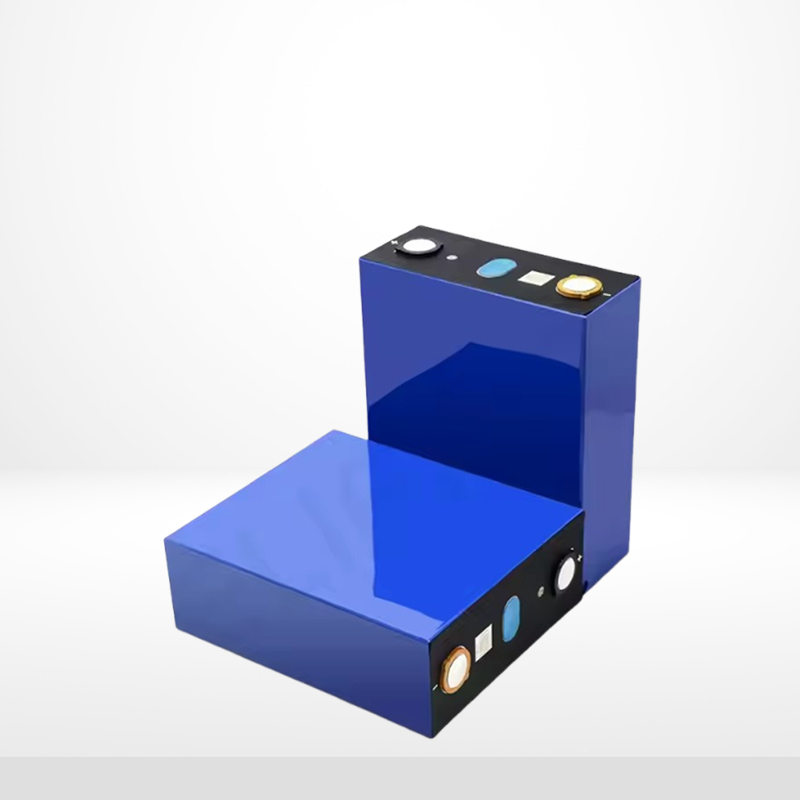
When you evaluate LiFePO4 battery applications, the main challenge is choosing a cell that can balance capacity, safety, cycle life, and operating stability. A battery may look suitable on paper, yet its actual value depends on how you integrate it into an energy storage system, solar installation, EV, or backup power solution.
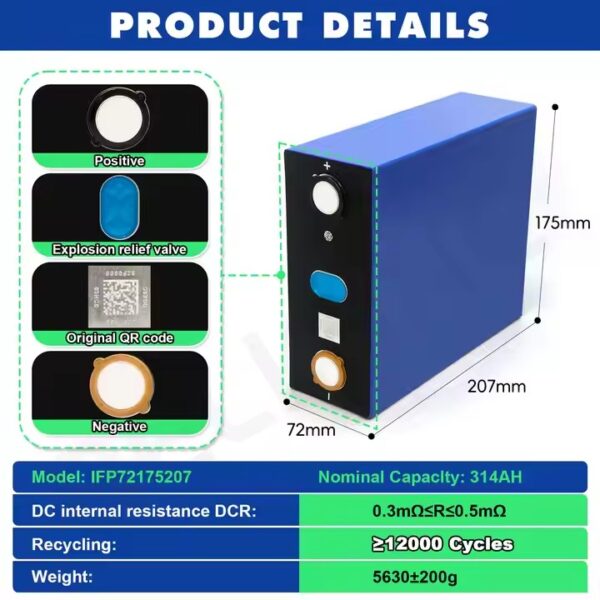
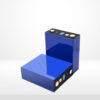
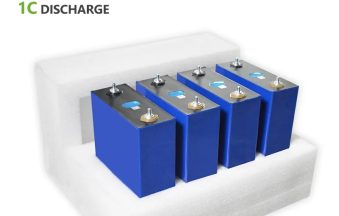
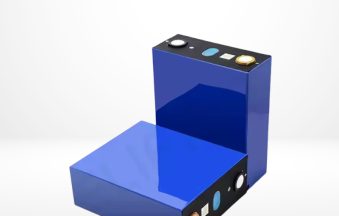
The GOTION 340Ah LiFePO₄ battery cell from Jule PowerTech provides a practical option for applications that require high single-cell capacity. With a nominal capacity of 340Ah, nominal voltage of 3.2V, energy density of ≥180Wh/kg, and cycle life of ≥6000 cycles at 80% DOD and 25°C, it supports scalable battery system designs.
Key LiFePO4 Battery Applications
LiFePO₄ chemistry suits applications where you need stable operation, long service life, and predictable battery performance. Jule PowerTech supplies LiFePO₄ cells and pre-configured 12V, 24V, and 48V battery packs for different system requirements.
The GOTION 340Ah cell is particularly relevant to the following applications:
- Energy storage systems (ESS): High-capacity cells can help build scalable stationary storage systems.
- Solar energy storage: You can integrate LiFePO₄ cells with solar systems to store generated energy for later use.
- Industrial backup power: Long cycle life supports repeated charge and discharge requirements.
- Electric vehicles: The cell can serve as a component in battery packs where capacity and cycle performance matter.
- Off-grid energy storage: LiFePO₄ technology can support systems that need dependable stored energy away from the grid.
- Renewable energy systems: Battery storage can help manage energy generated from renewable sources.
Why 340Ah Capacity Matters
A 340Ah LiFePO4 cell for energy storage gives battery designers a relatively high-capacity single-cell platform. Instead of relying on many smaller cells, you can use fewer high-capacity cells when the pack architecture and electrical requirements allow it.
The cell operates between 2.5V and 3.65V and has an AC internal resistance of ≤0.25 mΩ. These specifications provide useful reference points when you calculate pack configuration, current requirements, thermal behavior, and expected system performance.
GOTION 340Ah LiFePO4 Battery Specifications
Before selecting a cell for your project, compare its electrical specifications with your application’s requirements.
| Parameter | GOTION 340Ah LiFePO₄ Cell |
|---|---|
| Cell chemistry | Lithium iron phosphate (LiFePO₄) |
| Nominal capacity | 340Ah |
| Nominal voltage | 3.2V |
| Energy density | ≥180Wh/kg |
| Operating voltage | 2.5V–3.65V |
| Cycle life | ≥6000 cycles |
| Test condition | 80% DOD, 25°C |
| AC internal resistance | ≤0.25 mΩ |
| Typical applications | ESS, solar storage, EVs, backup power |
This combination makes the cell relevant when you are researching long cycle life LiFePO4 cells for backup power or high-capacity stationary storage.
How to Select a LiFePO4 Cell for Your Application
Your application determines whether a 340Ah cell is appropriate. Follow these steps before placing an order:
- Define your energy requirement. Calculate the required voltage, usable capacity, and daily energy consumption.
- Determine the battery configuration. Match the cell voltage and capacity with your required 12V, 24V, 48V, or higher-voltage architecture.
- Check operating conditions. Review temperature, charge/discharge current, installation environment, and duty cycle.
- Evaluate cycle requirements. Compare the expected number of cycles with the cell’s rated ≥6000-cycle performance under the specified test conditions.
- Confirm protection requirements. For complete battery packs, evaluate BMS functions such as overcharge, over-discharge, overcurrent, and short-circuit protection.
- Discuss customization with your supplier. Confirm cell consistency, pack design, testing procedures, logistics, and after-sales support before production.
LiFePO4 Battery Applications and System Design
Different applications place different demands on a battery. For example, a residential solar storage system may prioritize daily cycling, while industrial backup power may emphasize standby reliability and controlled discharge.
Jule PowerTech has focused on the LiFePO₄ battery market since 2019. The company now has 50+ professional team members, serves customers across 30+ countries and regions, and reports battery products with cycle life of up to 8000 cycles, depending on the specific product and operating conditions.
Its product portfolio includes LiFePO₄ cells and 12V, 24V, and 48V battery packs. The company also provides customized battery solutions and maintains a manufacturing plant and warehouse in Los Angeles to support US customers with local logistics and service.
Quality and Safety Considerations
When you evaluate a GOTION 340Ah LiFePO4 battery cell, do not look only at capacity. You should also review cell consistency, internal resistance, operating voltage, testing procedures, BMS integration, and the conditions used to specify cycle life.
Jule PowerTech states that it implements strict testing procedures during production and provides technical support after delivery. Its battery solutions are designed around safety functions including overcharge, over-discharge, and short-circuit protection at the battery-pack level.
FAQ
What are the main LiFePO4 battery applications?
Common applications include energy storage systems, solar storage, backup power, electric vehicles, off-grid systems, and renewable energy installations. The appropriate cell or pack depends on voltage, capacity, current, environment, and cycling requirements.
Is a 340Ah LiFePO4 cell suitable for solar energy storage?
A 340Ah cell can be suitable for solar storage when its voltage, capacity, current capability, temperature range, and system configuration meet your project requirements. The GOTION cell provides a 3.2V nominal voltage and 340Ah capacity for scalable battery-system designs.
How long can the GOTION 340Ah LiFePO4 cell last?
The specified cycle life is ≥6000 cycles at 80% DOD and 25°C. Actual service life depends on factors such as depth of discharge, temperature, charging conditions, current, cell matching, and system design.
Conclusion
Understanding LiFePO4 battery applications helps you select the right cell instead of choosing a battery only by capacity or price. With 340Ah capacity, 3.2V nominal voltage, ≥180Wh/kg energy density, and ≥6000 cycles under the stated test conditions, the GOTION 340Ah LiFePO₄ cell can serve as a foundation for energy storage, solar, EV, and backup power systems. Jule PowerTech combines LiFePO₄ cell supply with customized battery solutions to support different project requirements.
Get a Battery Solution for Your Project
If you are developing an ESS, solar storage system, EV battery, or backup power project, contact Jule PowerTech with your target voltage, capacity, application, daily cycle requirements, and operating environment. Its technical team can help you evaluate the appropriate LiFePO₄ cell or 12V, 24V, and 48V battery configuration.






Add comment