

Choosing a LiFePO4 battery supplier involves more than comparing prices. You need to evaluate cell specifications, cycle life, application compatibility, and product consistency before investing in an energy storage project. An unsuitable battery cell can affect system performance, operating costs, and long-term reliability.
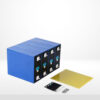
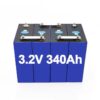
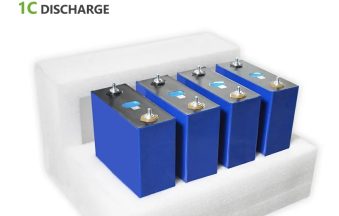
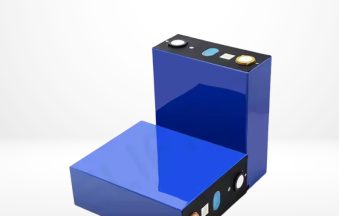
Jule PowerTech Co., Ltd. supplies lithium iron phosphate battery cells and pre-configured battery packs for applications such as home energy storage, renewable energy systems, electric vehicles, and backup power. Its GOTION 340Ah battery cell offers a nominal voltage of 3.2V, a capacity of 340Ah, and a specified cycle life of at least 6,000 cycles under stated test conditions. Understanding these specifications helps you determine whether this cell fits your project requirements and how to evaluate a potential battery supplier.
What Makes a Reliable LiFePO4 Battery Supplier?
A reliable supplier should provide clear technical information, consistent quality control, and support for your intended application. Before placing an order, check the following factors.
- Technical specifications: Confirm nominal capacity, voltage, operating voltage range, internal resistance, and cycle-life conditions.
- Quality control: Request available inspection records, cell grading information, and batch consistency data.
- Application compatibility: Ensure the selected cell meets the voltage, capacity, discharge, and environmental requirements of your battery system.
- Technical support: Ask about documentation, integration requirements, and after-sales assistance.
- Supply arrangements: Confirm order quantities, shipping schedules, packaging, and warranty terms before purchase.
Jule PowerTech was established in 2019 and has a team of more than 50 professionals. The company offers LiFePO4 cells and 12V, 24V, and 48V battery packs, allowing buyers to evaluate both individual cells and pre-configured battery solutions.
GOTION 340Ah LiFePO4 Battery Cell Specifications
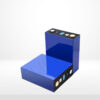
The GOTION 340Ah battery cell is designed for applications that require substantial cell capacity and long service life. Its specifications provide a useful starting point when assessing suitability for an energy storage or battery-pack project.
| Parameter | Product specification |
|---|---|
| Cell chemistry | Lithium iron phosphate (LiFePO4) |
| Nominal capacity | 340Ah |
| Nominal voltage | 3.2V |
| Nominal energy | 1,088Wh |
| Energy density | ≥180Wh/kg |
| Operating voltage range | 2.5V–3.65V |
| Cycle life | ≥6,000 cycles at 80% DOD and 25°C |
| AC internal resistance | ≤0.25mΩ |
The nominal energy is calculated by multiplying capacity by nominal voltage: 340Ah × 3.2V = 1,088Wh, or approximately 1.088kWh per cell.
The stated cycle life applies to the specified test conditions. Actual service life depends on factors such as operating temperature, charge and discharge rates, depth of discharge, and system management. Therefore, you should review the applicable test reports before using cycle-life figures to estimate project economics.

Comparing Battery Cells and Pre-Configured Battery Packs
Selecting the right product format can simplify procurement and system integration. Individual cells offer design flexibility, while pre-configured packs can reduce the amount of assembly work required from the buyer.
| Comparison factor | Individual 340Ah cell | Pre-configured battery pack |
|---|---|---|
| Main purpose | Custom battery-pack assembly | Ready-made battery system integration |
| Design flexibility | Depends on your pack design | Depends on the pack configuration |
| BMS integration | Must be addressed in system design | Depends on the included equipment |
| Installation requirements | Requires appropriate assembly and protection | Depends on pack design and documentation |
| Best suited for | Battery manufacturers and system integrators | Buyers seeking a configured battery solution |
A 340Ah cell is not equivalent to a complete 12V, 24V, or 48V battery pack. If you choose individual cells, your engineering team must design a compatible configuration and battery management system (BMS), along with appropriate electrical protection and thermal management.
Applications of a 340Ah LiFePO4 Battery Cell
The GOTION 340Ah cell may be considered for several applications, provided the final battery configuration meets the required electrical and safety specifications.
Solar and Renewable Energy Storage
Solar energy projects need batteries that can store surplus electricity for later use. A high-capacity cell can serve as a building block in a larger storage system, subject to the project’s voltage, power, and energy requirements.
Home and Commercial Energy Storage
For residential or commercial systems, buyers should assess daily energy consumption, backup duration, inverter compatibility, and installation requirements. The final usable energy depends on the assembled system configuration and permitted depth of discharge.
Industrial Backup Power and Electric Vehicles
Industrial backup systems and electric vehicles have different discharge profiles, power requirements, and safety considerations. Before choosing this cell, verify the manufacturer’s specifications for current limits, operating conditions, and application suitability.
How to Evaluate a LiFePO4 Battery Supplier
Follow these steps before requesting a quotation or placing an order.
- Define your requirements. Specify the application, required capacity, system voltage, operating environment, and expected daily cycling.
- Review technical documents. Request the datasheet, cycle-life test conditions, available inspection records, and applicable safety documentation.
- Confirm system compatibility. Check cell configuration, BMS requirements, current limits, inverter compatibility, and electrical protection.
- Compare the total cost. Consider cell pricing, shipping, assembly, integration, warranty coverage, and expected maintenance requirements.
- Verify delivery and support. Confirm lead time, order quantity, packaging, warranty terms, and the support available in your destination market.
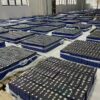
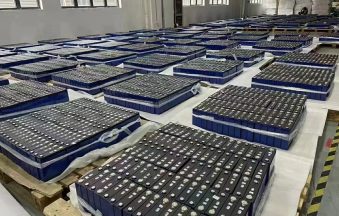
Jule PowerTech reports that it operates a manufacturing facility and warehouse in Los Angeles, USA, alongside its production base in China. Buyers should confirm current stock, product availability, and shipping arrangements directly before ordering.
Frequently Asked Questions
1. How long does a GOTION 340Ah LiFePO4 cell last?
The product specifies at least 6,000 cycles at 80% depth of discharge and 25°C. This figure describes the stated test conditions, not a guaranteed number of years in every application. Actual service life depends on usage and operating conditions.
2. Is a 340Ah LiFePO4 cell suitable for solar energy storage?
It may be suitable as part of a solar storage system. However, you must confirm the required system voltage, power output, usable capacity, BMS configuration, and inverter compatibility before selecting the cell.
3. What should you ask a LiFePO4 battery supplier before buying?
Request a current datasheet, available test reports, cell grading information, applicable certifications, warranty terms, minimum order quantity, and delivery details. For custom battery projects, also confirm engineering support and BMS integration requirements.
Conclusion
Choosing a LiFePO4 battery supplier requires a careful assessment of specifications, quality documentation, application compatibility, and after-sales support. The GOTION 340Ah cell from Jule PowerTech offers a nominal capacity of 340Ah, a voltage of 3.2V, and a specified cycle life of at least 6,000 cycles under defined conditions. By comparing these parameters with your project requirements, you can make a more informed procurement decision.
Request a quotation from Jule PowerTech to discuss the GOTION 340Ah cell, obtain the latest technical documentation, and confirm pricing, availability, shipping options, and suitability for your energy storage application.







Add comment